Delicious Pound Cake: A Cozy Classic
Pound Cake is the kind of bake that hugs you from the moment it comes out of the oven warm, buttery, and comforting. I still remember the first time I baked one for a Sunday afternoon: the whole house smelled like brown sugar and vanilla, and my kids hovered like little cake detectives until the first slice was set on the table. If you love a rich, old-fashioned loaf that slices beautifully and pairs with everything from coffee to fruit, you might also enjoy this creamy mascarpone pound cake I tried last winter. Let’s bake it together!
Why make this recipe
This pound cake delivers deep buttery flavor with a tight, tender crumb that feels both nostalgic and refined. It’s straightforward to prepare using familiar pantry staples, and it holds up beautifully for slicing perfect for gatherings or a quiet afternoon treat. The texture is dense without being heavy, and the simple vanilla-lemon combination plays well with seasonal toppings. What makes this recipe stand out is the classic technique of thorough creaming and careful handling, which creates that signature fine crumb every pound cake lover expects.
Ingredient spotlight / baking notes
Butter temperature matters a lot. For a light, even crumb you want butter that’s soft enough to press with your fingertip and leave an impression, but not so soft that it’s greasy or melted. Properly softened butter traps air when you cream it with sugar; those tiny air bubbles expand in the oven and give the cake lift. If your butter is too cold, creaming won’t aerate the batter. If it’s too warm, the batter will be loose and the cake may spread or sink. Aim for butter straight from the fridge about 30–60 minutes before you start, depending on how warm your kitchen is.
What you’ll need
This pound cake is made from simple pantry ingredients you probably already have: flour, sugar, butter, eggs, a touch of baking powder, and milk. Before you begin, set your eggs and butter out so they come to room temperature, measure your flour carefully (preferably by weight), and preheat the oven. A 9×5-inch loaf pan or a standard 10-12 cup bundt pan works perfectly.
How to make Pound Cake
Ingredients
- 3 cups (375 g) all-purpose flour, spooned into the cup and leveled (or weighed)
- 1 teaspoon baking powder
- 1/2 teaspoon fine salt
- 1 1/2 cups (3 sticks / 340 g) unsalted butter, softened
- 2 1/2 cups (500 g) granulated sugar
- 4 large eggs, at room temperature
- 3/4 cup (180 ml) whole milk, at room temperature
- 2 teaspoons pure vanilla extract
- Zest of 1 lemon (optional, but lovely)

Directions
- Preheat the oven to 325°F (163°C). Grease and flour a 9×5-inch loaf pan or spray a bundt pan and dust with a little flour. Line the bottom of a loaf pan with parchment for easy removal.
- In a medium bowl, whisk together the flour, baking powder, and salt. Set aside.
- In the bowl of a stand mixer fitted with the paddle attachment (or using a large bowl and a hand mixer), cream the softened butter on medium speed until smooth, about 1 minute. Add the sugar and continue to beat on medium-high until the mixture is pale and fluffy, about 4–6 minutes. Scrape the bowl a couple times so everything mixes evenly.
- Add the eggs one at a time, beating well after each addition and scraping the bowl. After the last egg, add the vanilla extract and lemon zest, mixing until combined.
- With the mixer on low, add the dry ingredients in three parts, alternating with the milk (dry, milk, dry, milk, dry). Mix only until just combined after each addition overmixing will give you a tougher crumb.
- Scrape the batter into the prepared pan and smooth the top with an offset spatula. Tap the pan gently on the counter to release any large air pockets.
- Bake for 60–75 minutes for a loaf pan (or 70–90 minutes for a bundt), until the cake is golden and a skewer inserted in the center comes out clean or with just a few moist crumbs. If the top browns too quickly, tent it loosely with foil after the first 35–40 minutes.
- Let the cake cool in the pan for 10–15 minutes, then invert onto a wire rack to cool completely before slicing. For a neat presentation, allow it to cool fully but it’s heavenly still warm with a dab of jam.
Pro Tip
Weigh your flour for the most consistent results spoon it into your measuring cup and level it, or better yet use a kitchen scale. Accurate flour measurement is the single easiest way to avoid a dry, dense cake.
Common mistakes to avoid
- Overmixing the batter after adding flour. That develops gluten and makes the cake tough. Mix just until combined.
- Using butter that’s too cold or too melted. If it’s too cold, you won’t get the aeration you need; if it’s too soft, the batter can separate.
- Not measuring flour correctly. Scooping directly with a measuring cup packs the flour and adds too much. Use a spoon and level, or a scale.
- Rushing the bake. Underbaking is easy with this dense cake; use a skewer or thermometer and allow time for slow, even baking.
Tips to make Pound Cake
- Don’t overmix once the flour goes in fold or mix on low speed and stop when you see no streaks.
- Use room temperature ingredients so everything combines smoothly and the emulsion forms correctly.
- Weigh your flour (3 cups ≈ 375 g) for reliable texture.
- If you’re worried about rise, rest the batter briefly while the oven preheats, but bake soon long rests with baking powder can lose lift.
Variation (if any)
- Lemon Pound Cake: Increase the zest to two lemons and add 2 tablespoons of fresh lemon juice to the batter; glaze with a simple lemon icing after cooling.
- Vanilla Bean: Use the seeds from 1 vanilla bean instead of extract for an aromatic, luxurious flavor.
- Marble Cake: Swirl 1/3 of the batter with 2 tablespoons unsweetened cocoa mixed with a little milk for a pretty marble effect.
- Gluten-free option: Swap a 1:1 gluten-free baking flour blend (one that includes xanthan gum) and reduce liquid slightly if the batter seems loose. Expect a slightly different crumb denser but still delicious.
- Dairy-free option: Use a high-quality vegan butter stick (1:1 swap) and a non-dairy milk like oat milk. For extra richness, a tablespoon of neutral oil helps mimic butter’s mouthfeel.
- Egg-free: Replace each egg with a “flax egg” (1 tbsp ground flax + 3 tbsp water, chilled) note texture will be a bit different and loaf may be denser.
How to serve Pound Cake
Serve this pound cake warm with a spoonful of jam and a cup of strong coffee for a classic afternoon treat. For dessert, chill slices and top with whipped cream and fresh berries or a warm fruit compote. It also makes a beautiful base for a trifle layer cubes of pound cake with custard and berries for a showstopper. If you enjoy browsing other sweet ideas, I often pair slices with seasonal preserves and my list of cake and pie ideas for gathering-friendly desserts. This cake is equally lovely plain with tea, dressed up for company, or turned into homemade “bread pudding” the next day.
How to store Pound Cake
- Room temperature: Wrapped tightly in plastic wrap or stored in an airtight container, the cake will stay moist for 2–3 days at room temperature.
- Fridge: For longer storage, refrigerate in an airtight container for up to a week. Bring slices to room temperature before serving, or warm briefly.
- Freezer: Slice the cake and wrap individual slices in plastic wrap and foil, or wrap the whole loaf tightly. Freeze up to 3 months. Thaw overnight in the fridge or at room temperature for a couple hours.
- Reheating tips: Microwave a slice for 10–15 seconds for a warm bite, or reheat at 300°F (150°C) for 8–10 minutes in a small oven-safe dish to refresh texture.
Make-ahead option
You can prepare the batter the night before and refrigerate it up to 24 hours, but keep in mind that if your recipe relies on baking powder as the main leavening, some lift may be lost. My preferred make-ahead trick is to bake the cake the day before your event, cool completely, then wrap and store flavor improves after a few hours and the texture firms up for cleaner slices. You can also mix dry ingredients and keep wet ingredients ready; combine and bake the next day for a very fresh result. For busy mornings, slice the frozen loaf and defrost slices as needed.
Reader love
Everyone who tries it says it’s a keeper!
FAQs
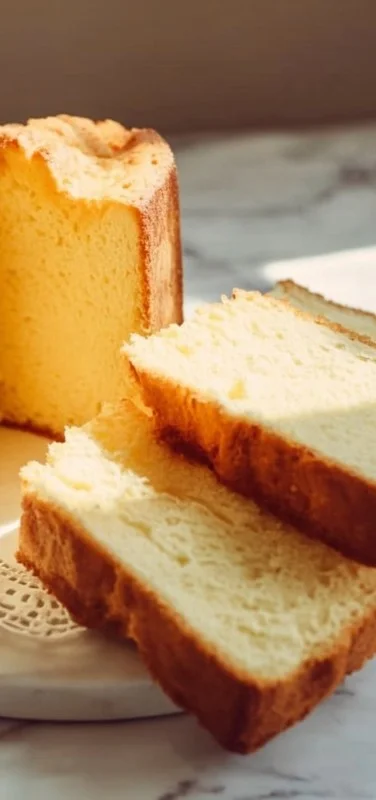
Q: How do I know when the pound cake is done? A: The classic tests are color, spring, and the skewer test. The cake should be a golden brown and spring back slightly when you press the top. Insert a long skewer or toothpick into the center — it should come out clean or with a few moist crumbs. If it’s wet with raw batter, it needs more time; tent with foil if the top is getting too dark.
Q: Can I use a bundt pan instead of a loaf pan? A: Yes a bundt pan is lovely for pound cake and gives a pretty presentation. Bake times will change; expect 70–90 minutes depending on pan size and oven. Always check earlier and later: start testing at 65 minutes, and be patient — dense cakes need slow, even baking.
Q: Why did my cake sink in the middle? A: Sinking can happen for a few reasons: underbaking, oven temperature too low or fluctuating, too much liquid, overbeating causing collapsed structure, or opening the oven door early in the bake. Make sure to preheat the oven fully, measure ingredients accurately, and avoid opening the oven in the first hour of baking.
Q: Can I add fruit or nuts directly to the batter? A: Yes fold in small diced fruit (like apples or berries), chocolate chips, or toasted nuts at the end of mixing. Toss fruit or chips lightly in a tablespoon of flour before adding to the batter to prevent sinking. Keep in mind added moisture from fresh fruit may increase baking time and alter texture.
Nutrition Facts (per serving)
| Serving size | Per serving | |—:|—:| | Calories | 440 kcal | | Protein | 6 g | | Carbohydrates | 56 g | | Fat | 22 g | | Fiber | 1 g | | Sodium | 180 mg |
“Nutrition information is provided as a general estimate. The values may vary based on the exact ingredients, brands, and measurements you use in your own kitchen. Cooking methods, optional add-ins, and portion sizes can also change the final numbers. For the most accurate results, consider using your own nutrition calculator with the specific products you have on hand.”
Final Thoughts
There’s something wonderfully simple about baking a pound cake it’s comfort in loaf form. This recipe is a recipe box staple for me: reliable, adaptable, and always welcomed with a smile. If you make it, slice a piece warm and share it with someone you love — that’s the best part. Happy baking!
Pound Cake
Ingredients
Method
- Preheat the oven to 325°F (163°C). Grease and flour a 9×5-inch loaf pan or spray a bundt pan and dust with flour. Line the bottom of a loaf pan with parchment for easy removal.
- In a medium bowl, whisk together the flour, baking powder, and salt. Set aside.
- In the bowl of a stand mixer fitted with the paddle attachment, cream the softened butter on medium speed until smooth, about 1 minute.
- Add the sugar and continue to beat on medium-high until pale and fluffy, about 4–6 minutes, scraping the bowl occasionally.
- Add the eggs one at a time, beating well and scraping the bowl after each addition. After the last egg, add the vanilla extract and lemon zest, mixing until combined.
- With the mixer on low, add the dry ingredients in three parts, alternating with the milk, mixing just until combined.
- Scrape the batter into the prepared pan, smooth the top, and tap gently on the counter to release large air pockets.
- Bake for 60–75 minutes for a loaf pan (or 70–90 minutes for a bundt), until golden and a skewer inserted in the center comes out clean.
- If the top browns too quickly, tent loosely with foil after 35–40 minutes.
- Let the cake cool in the pan for 10–15 minutes before inverting onto a wire rack to cool completely.